Typical range$500 to $1,200per programEvery figure here is a general estimate. Real prices vary with the trainer, the dog and the market.
How to compare obedience programs
- The number of lessons and how far apart they fall.
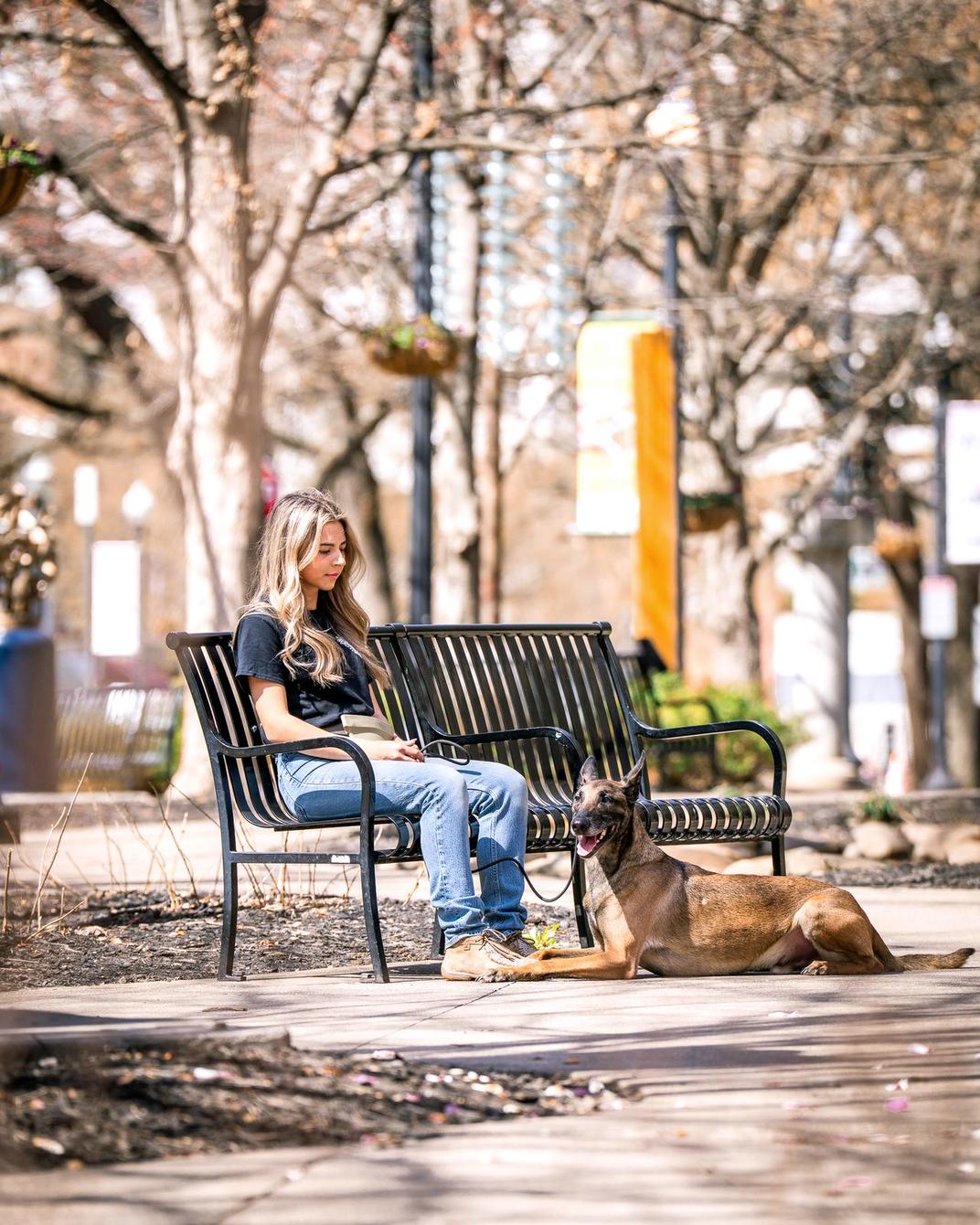
- Whether practice moves from a quiet room to sidewalks, parking lots and parks.
- A written order of skills, with clear points where you can judge progress.
- How the trainer responds when a dog makes a mistake.
- How much practice time the plan expects from you each day.
Towns in this guide. Around Long Island.
Compare other programs. Find your fit.
How to read this guide
Clear terms, modest claims.
SimpleEveryday wordsPrograms are described without jargon or sales language.
RoughEstimates onlyEach figure is a ballpark that moves with the trainer and the market.
ModestNo big promisesThe site promises no availability, results or fast answers, and names no trainers.
Published by K9PN. See the Disclaimer for the full statement.
Good questions
Before you begin.
Can we skip the basics and learn tricks?
Tricks are enjoyable, but manners pay off every day. Most owners get more from the basics first.
Is a two-year-old dog too old?
No. Adult dogs often learn quickly, though old habits may take a little more repetition.
What equipment is typical?
A flat collar or front-clip harness, a six-foot leash and small soft treats. Ask a trainer to explain any other tool before using it.
Will the skills hold up in a noisy place?
They have to be built up to noise in steps. A solid program includes that gradual practice.