

Choose your path
Programs, Explained One by One
Six kinds of help, each with a plain description, a general estimate and a short question list for your first conversation.
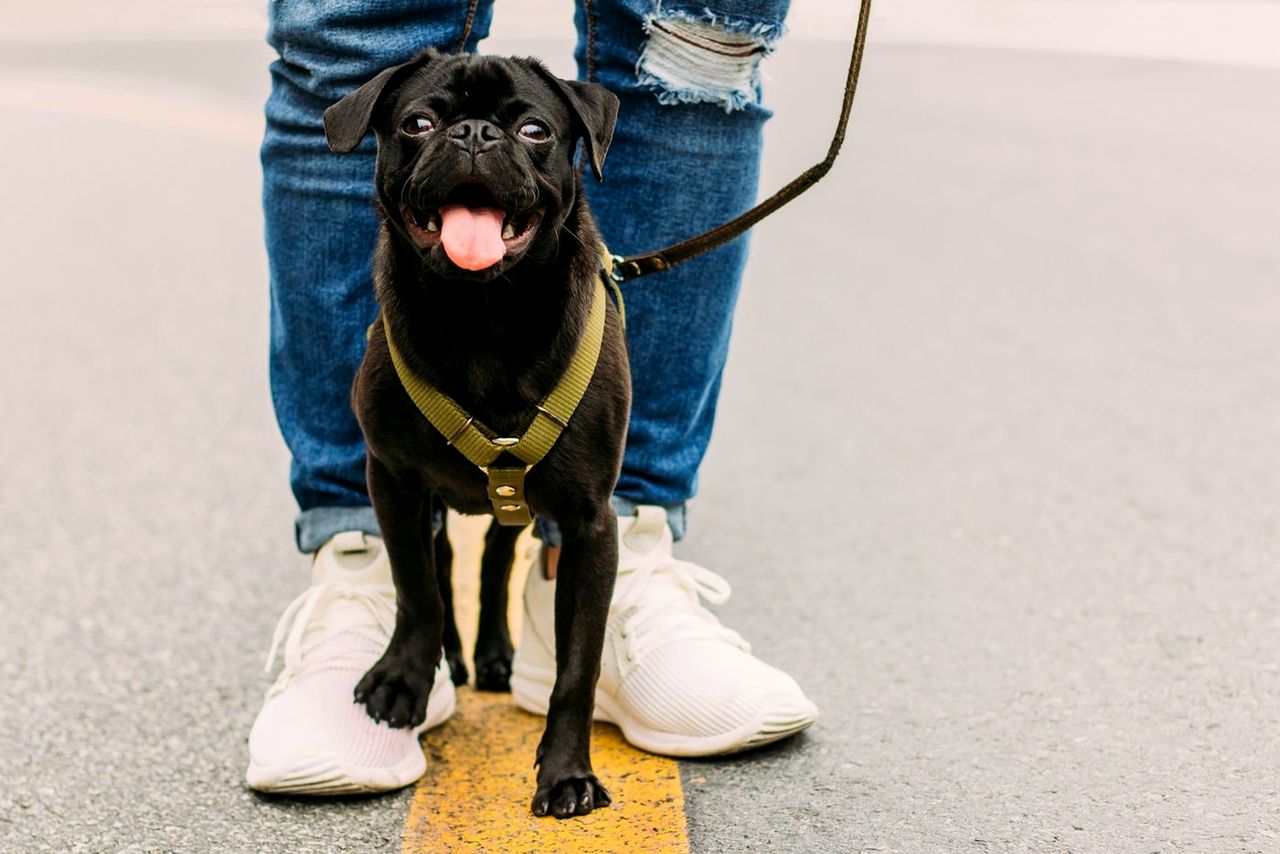
One-on-One Coaching
In a one-on-one session, a single trainer watches your single dog and adjusts as it goes.
$75 to $150 per lessonRead the guide →
Puppy Starter Series
A starter series is built for the first few weeks after a puppy comes home, when everything is new and routines are still forming.
$150 to $350 per packageRead the guide →
Training at Your House
Some behavior only appears in the place it matters, such as the front hall when a delivery arrives.
$100 to $200 per visitRead the guide →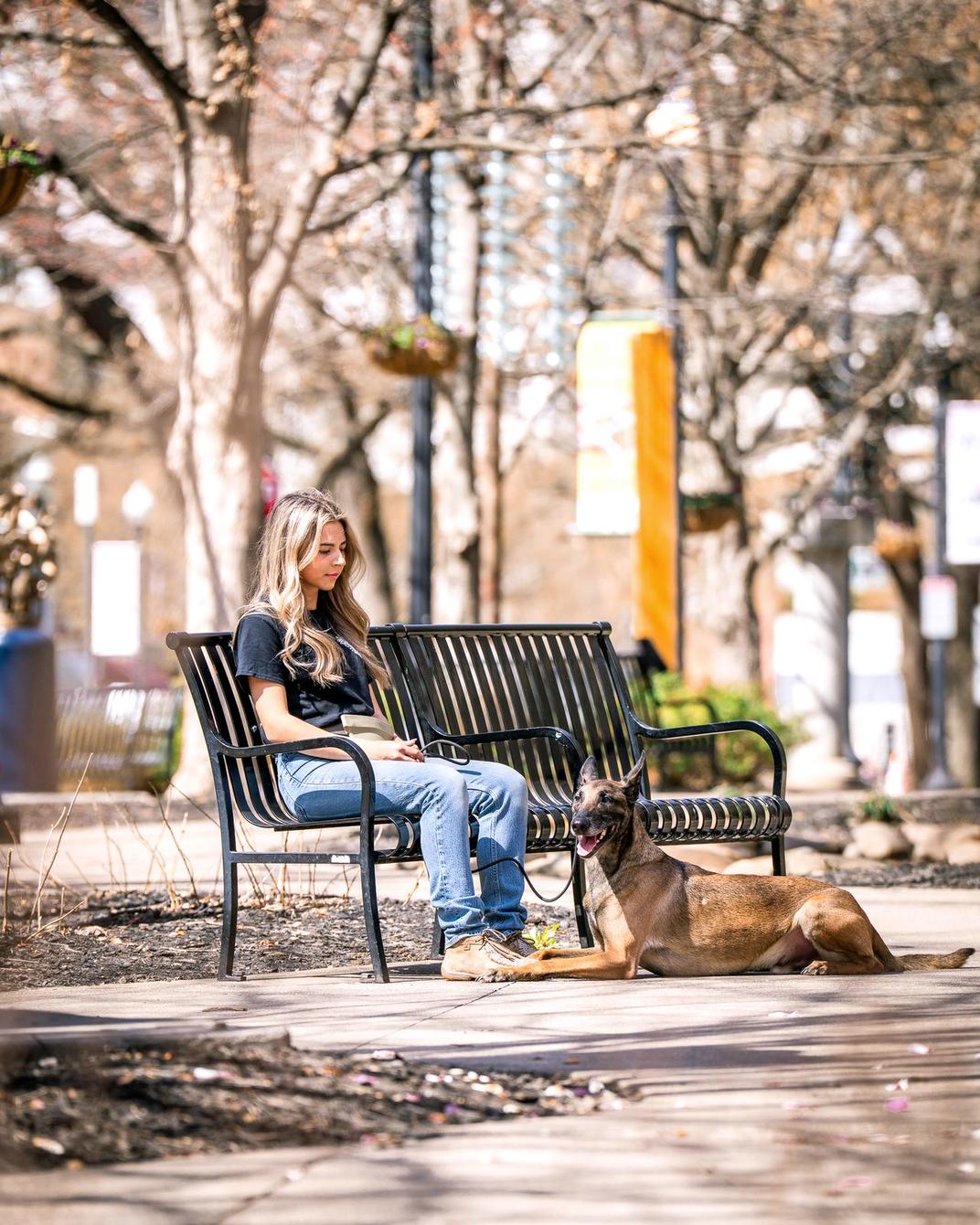
Everyday Obedience Program
An obedience program turns the cues you use every day, like sit, down, wait and loose-leash walking, into habits that hold up outside the living room.
$500 to $1,200 per programRead the guide →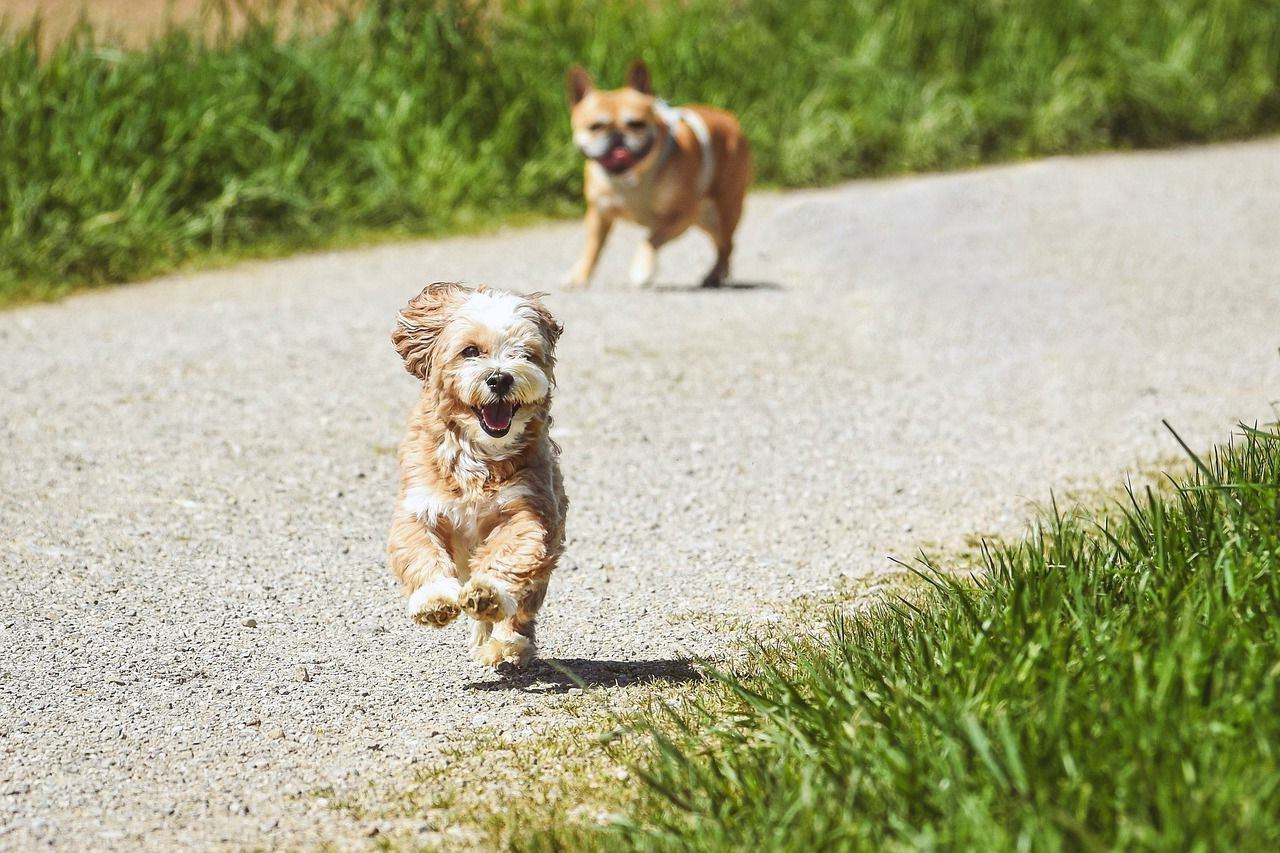
Leash Reactivity and Barking Help
A dog that lunges and barks at every passing dog or bicycle can turn a short walk into a struggle.
$600 to $1,800 per programRead the guide →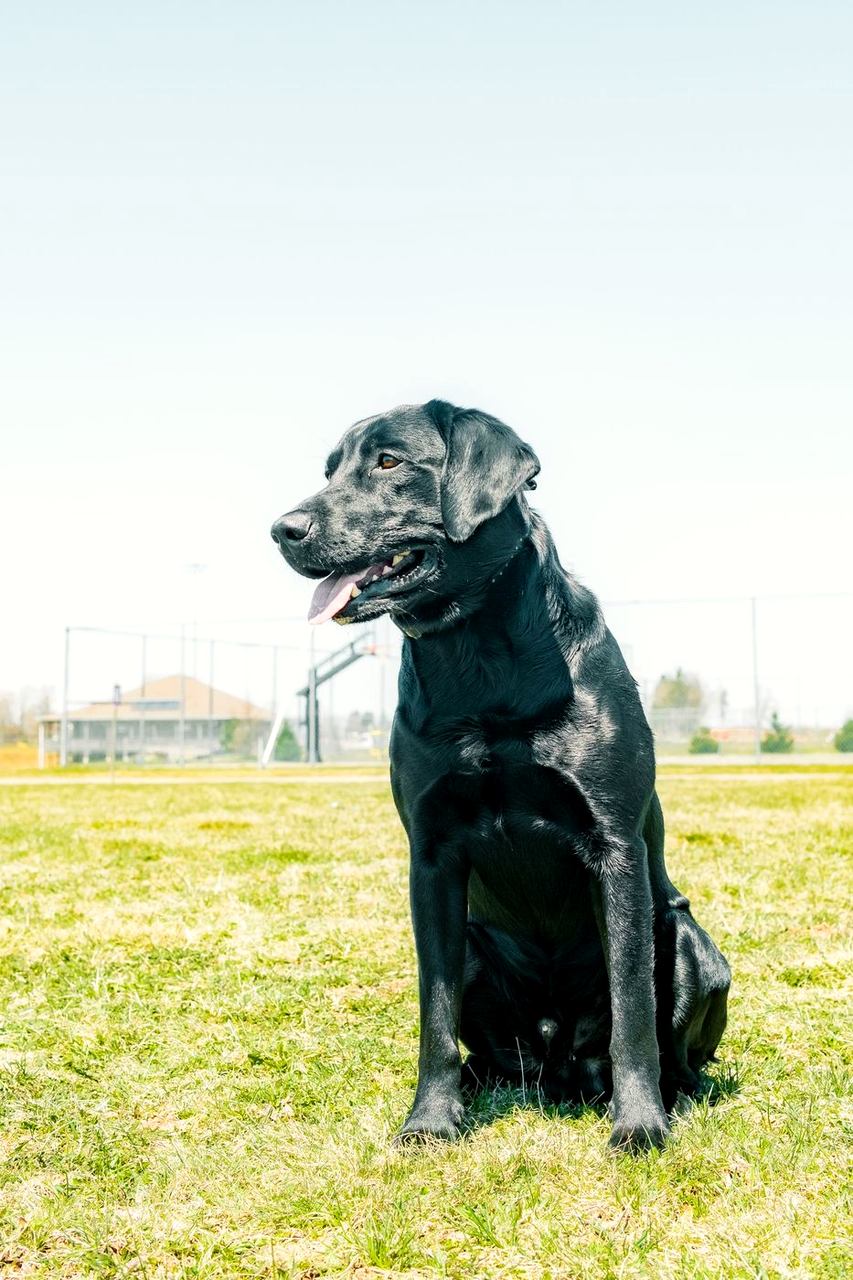
Board and Train Stay
In a board and train stay, your dog lives with a trainer for a couple of weeks and practices every day.
$1,500 to $2,500+ for a 2 to 3 week stayRead the guide →Every figure here is a general estimate. Real prices vary with the trainer, the dog and the market.
The short version
Before You Hire Anyone, Read This First
A good fit depends on understanding the plan. The program pages describe each option, what moves its price and the questions that reveal how a trainer actually teaches.
Service areas
Twelve Towns, Twelve Local Angles
Every town page looks at roads, nearby places to practice and the way local life, from beach wind to commuter trains, changes what a dog needs.
Twelve months on the island
A Year of Island Dog Habits
Weather, crowds and daylight change through the year on Long Island, and each season asks something different of a dog. Use this as a general planning calendar. It is not a promise about any one dog.
- Spring
Mud, pollen and new puppies
Wet yards and muddy paths make a quick paw wipe worth teaching. It is also a good time to practice calm greetings before beach season.
- Summer
Heat, boats and crowds
Walk early or late, bring water and keep hot pavement and sand in mind. Busy boardwalks and ferry lines are a stiff test of manners.
- Early fall
Quieter shores, steady practice
Crowds thin out and temperatures drop, which makes this a comfortable window for longer practice walks and recall work.
- Late fall
Dark evenings and early dusk
Shorter days mean more walks in low light. A bright leash, a dependable leave-it and a calm wait at crossings matter more.
- Winter
Cold snaps and nor'easters
Salt, ice and wind change how long a dog wants to stay outside. Indoor games, mat work and short drills keep skills fresh.
- Storm weeks
Noise and disruption
Wind, thunder and power cuts can unsettle a dog. A quiet den spot and some practice with a settle cue help in advance.
A calendar only helps when the habits underneath are steady. Pick one cue per season and build on it, rather than trying to fix everything at once.
Behind the pages
Information first, sales never.
This guide answers questions owners tend to ask before they spend money on a trainer. It explains programs, shows general estimates and describes what a thoughtful plan looks like.
Local details come from public sources such as county websites and encyclopedia entries. No reviews, advertisements or paid placements shape what you read.
About this guide →Scenes from practice
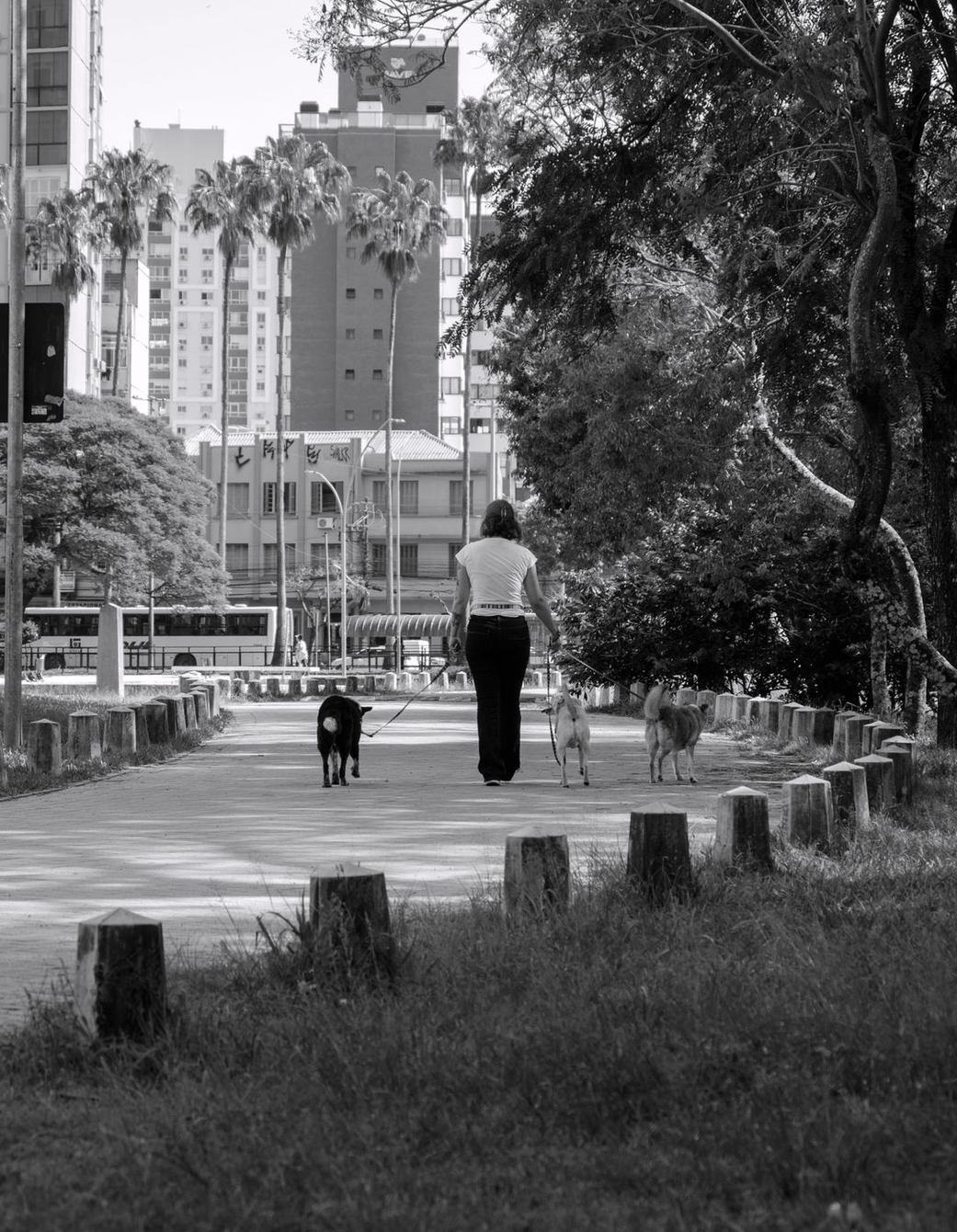
Quiet effort, one cue at a time.
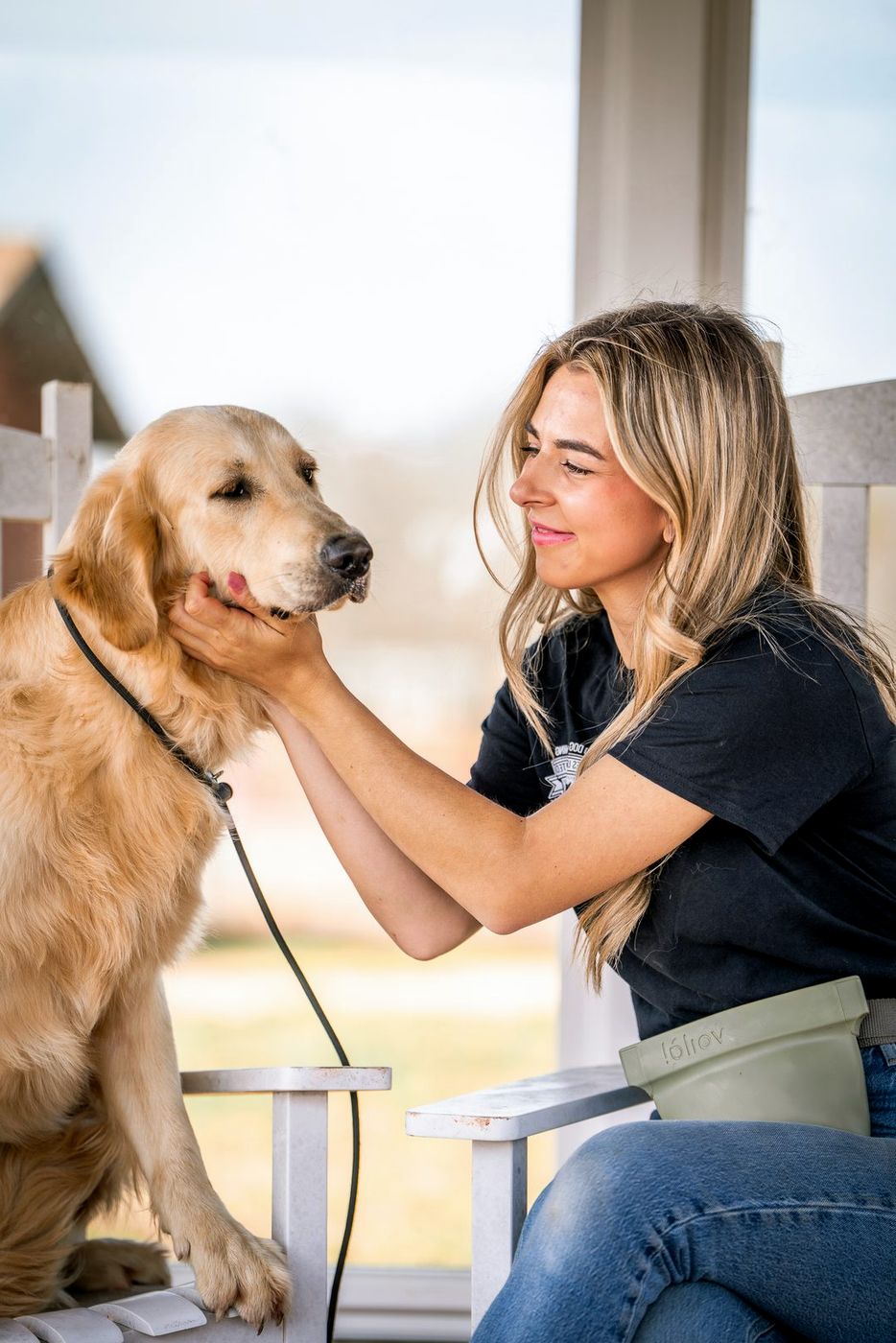
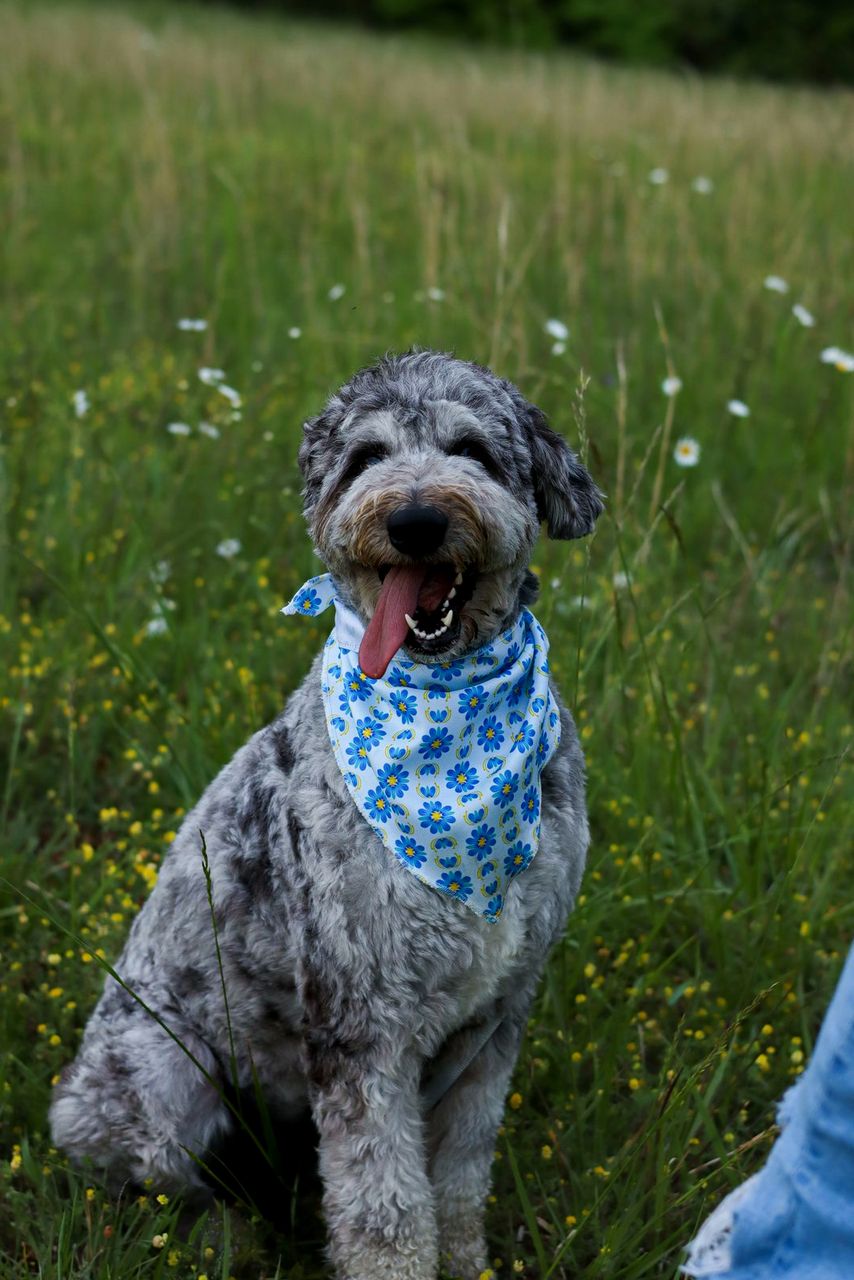
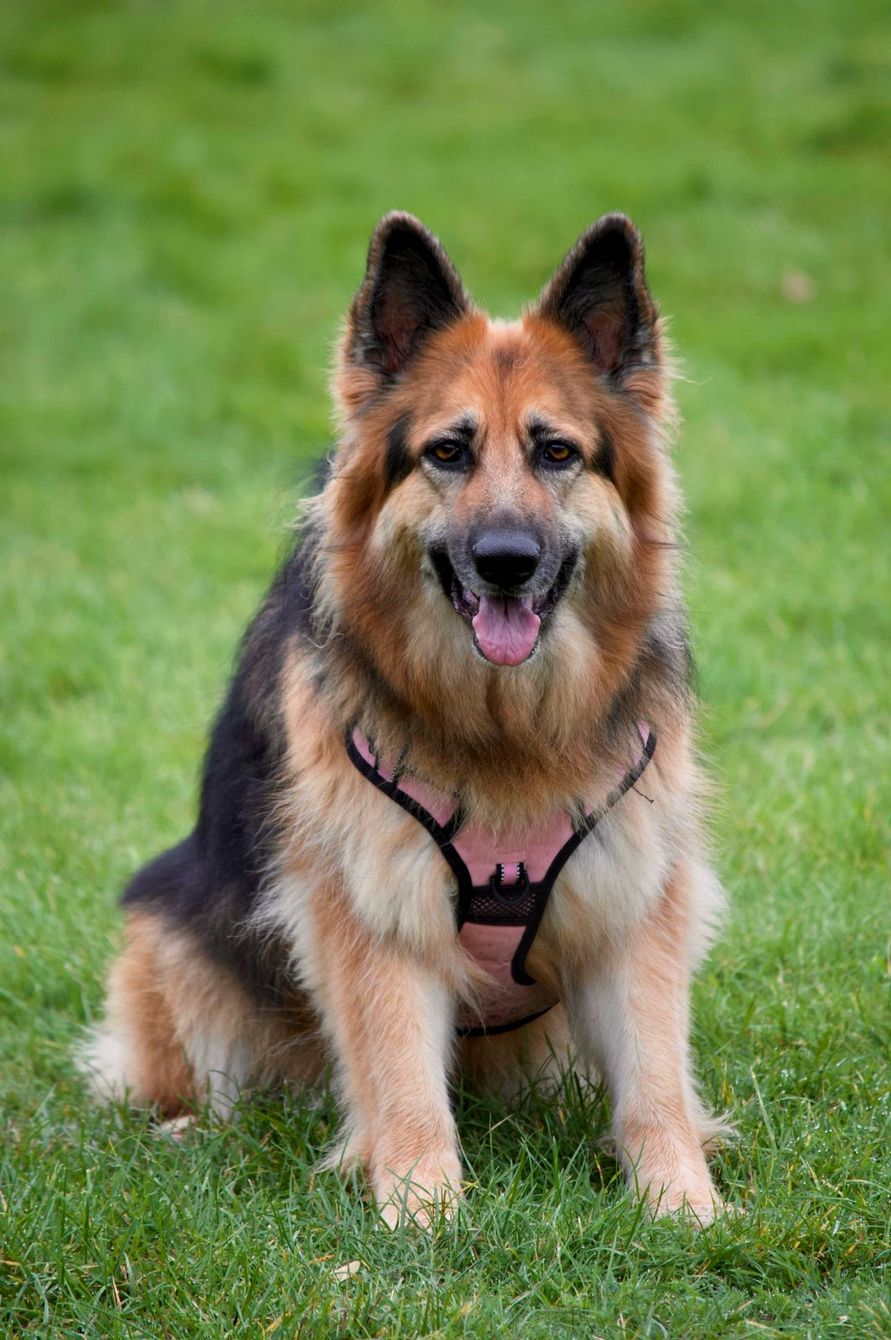
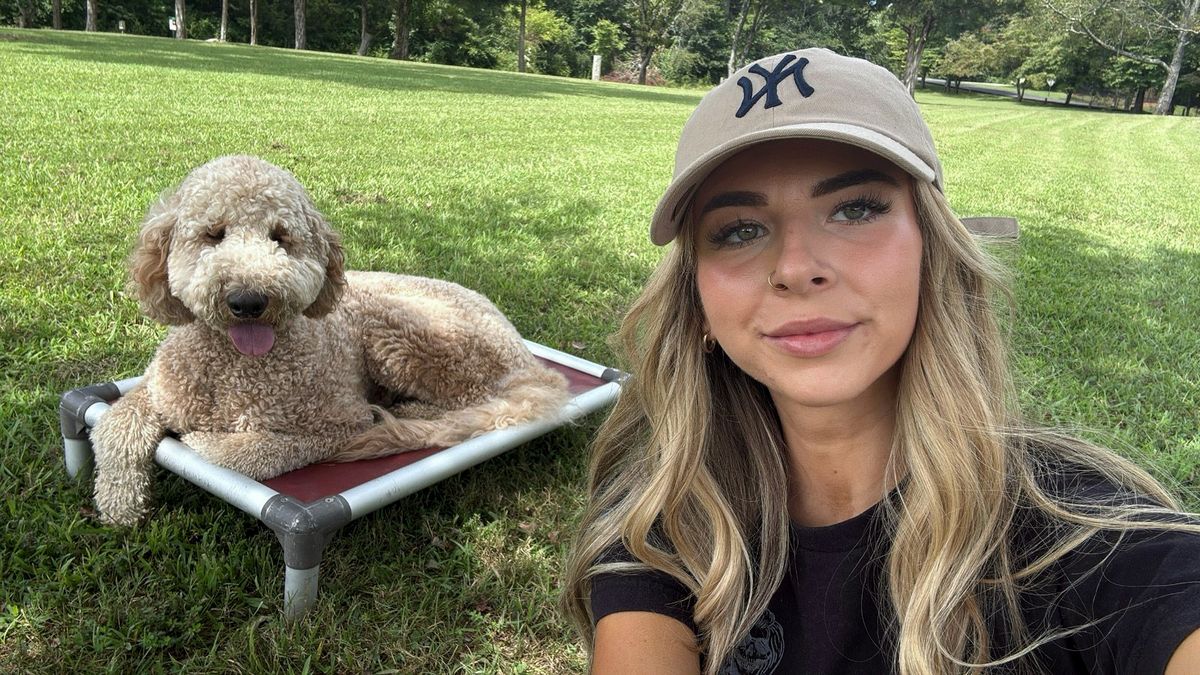
Dog training is mostly small repetitions in ordinary places. These frames show the unglamorous middle of the process, where habits quietly form.
How it works
Read, weigh, ask.
- 01
Read the explainer
Every program page opens with what the work looks like on an ordinary day.
- 02
Weigh the estimate
Each range is a general estimate, so you can spot a quote that sits far outside it.
- 03
Ask with a checklist
Take the question lists with you when you speak to any trainer for the first time.
Trainer availability
Can You Book Anyone Here?
We are lining up professional trainers in Long Island, and nobody is taking requests from this site yet. The details below explain what that means for you today.
- Nothing to fill out, nobody to call
- Estimates you can use in your own search
- Twelve towns, each with its own page
Good questions
Before you begin.
What does dog training cost on Long Island?
General estimates begin near $75 to $150 for one lesson and reach $1,500 to $2,500 or more for a board and train stay. Trainers set their own fees.
Can I request a trainer here?
Not yet. The site has no form and nobody is taking requests. The availability page explains where things stand.
What should I ask a trainer first?
Ask how they teach, what a typical session looks like, what the price covers and what happens if your dog has a hard day.
When should a puppy begin?
Soon after settling in, once your veterinarian says it is fine. Older dogs can learn too.
Is a stay better than lessons?
It depends on your dog, schedule and goals. Lessons teach you directly, while a stay provides focused daily work by someone else.
Does K9PN recommend a trainer on this site?
No. The site does not list, rank or endorse any trainer.
How to read this guide
Clear terms, modest claims.
Published by K9PN. See the Disclaimer for the full statement.